

Watch buckle repair is the process of restoring or replacing the small fastening hardware that holds your watch strap securely around your wrist. It covers everything from a quick clean and spring bar swap to a full professional refurbishment that preserves the buckle’s original finish and value. Get it wrong and you risk losing the watch entirely; get it right and the fix can be invisible.
Key aspects of watch buckle repair at a glance:
- What it is: Restoration or replacement of the buckle securing a watch strap, using tools such as a spring bar removal tool and correctly sized replacement hardware
- Scope: Ranges from simple DIY cleaning and tightening to professional electroplating and precision polishing for luxury pieces
- Components involved: The buckle body, tongue (pin), spring bars, and the strap holes that the tongue passes through
- Sizing: Correct buckle width must match the strap width exactly, or the fit will be insecure
- Repair options: Cleaning, screw tightening, spring bar replacement, full buckle swap, or professional refurbishment
Table of Contents
- What tools do you need for watch buckle repair?
- How to replace a watch buckle step by step
- Common watch buckle problems and how to fix them
- How do buckles and clasps differ, and why does it matter for repairs?
- When should you clean, maintain, or call a professional?
- How to match a replacement buckle to your strap and style
- Watchrepairstation: professional buckle and strap repair for trade partners
- Key takeaways
What tools do you need for watch buckle repair?
Having the right kit before you start saves time and prevents damage. Most repairs need only a handful of items, all widely available from watch supply retailers in the UK.
Essential tools:
- Spring bar removal tool: The single most important item. The forked end compresses spring bars; the pointed end releases them from the buckle slot
- Replacement spring bars: Sized to match your strap width (typically 16mm, 18mm, or 20mm). Always keep spares; they are easy to lose
- Replacement buckle: Must match the strap width and, ideally, the metal finish of the watch case
- Small precision screwdrivers: For buckles with screw-retained pins rather than spring bars
- Soft cloth or microfibre pad: Protects the strap and watch face from scratches during work
- Degreaser or mild cleaning solution: For removing grime before reassembly
- Small dish or tray: Catches spring bars if they ping away during removal
Optional but useful:
- Polishing cloth for light surface cleaning of the new buckle
- Magnifying glass or loupe for inspecting spring bar seating
- Tweezers for handling small parts
Pro Tip: Work on a light-coloured surface under a bright lamp. Spring bars are tiny and silver-coloured; a white cloth or sheet of paper makes a lost bar visible in seconds rather than minutes.
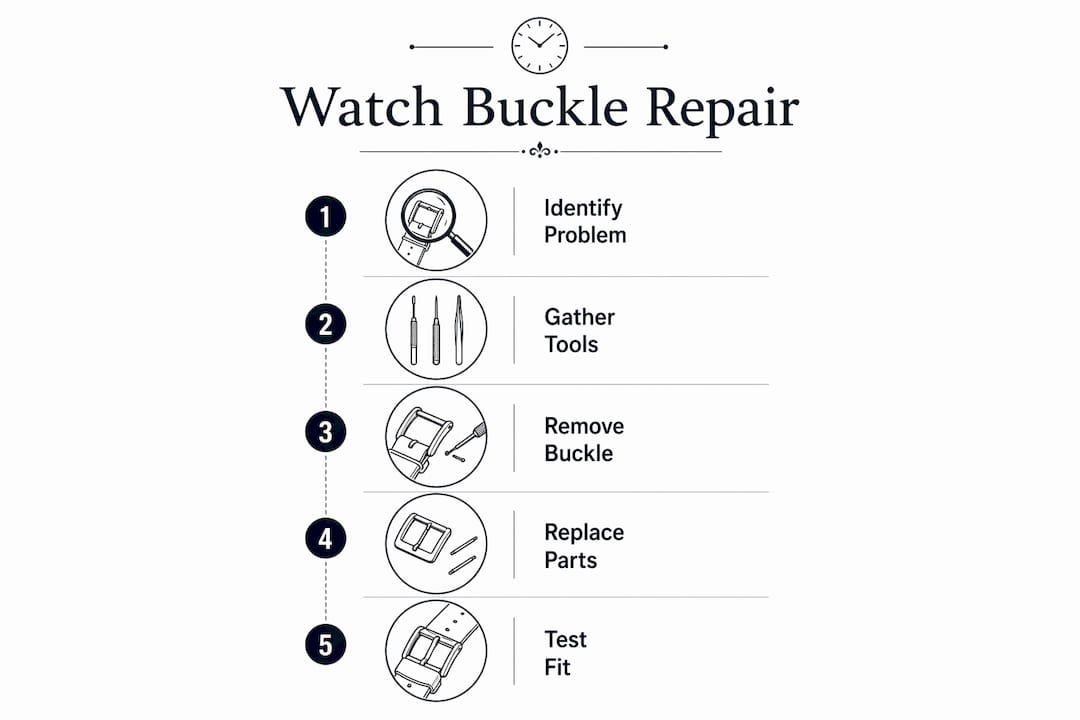
How to replace a watch buckle step by step
Replacing a watch buckle is straightforward once you understand the sequence. Work slowly and keep parts organised.
- Lay the watch face down on a soft cloth to protect the crystal and case.
- Locate the spring bar inside the buckle slot. You will see a small pin running through the buckle frame and the strap.
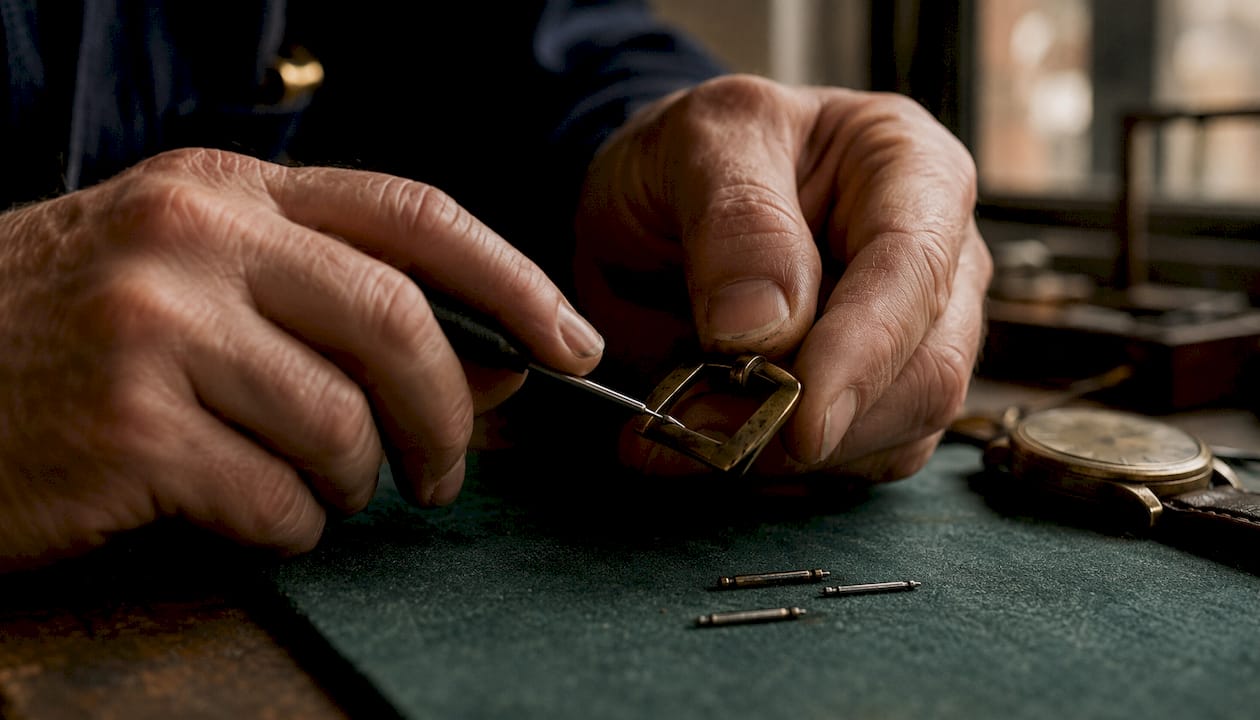
- Insert the pointed end of the spring bar tool into the hole on the side of the buckle. Press down and push sideways until one end of the spring bar clears the buckle frame.
- Ease the buckle free. The spring bar may shoot out; keep a finger over it or work inside a small box to contain it.
- Remove the tongue (pin) and the U-shaped buckle body separately. Set them in your tray.
- Measure the strap width at the buckle end. This measurement is your replacement buckle size.
- Insert the new spring bar halfway through the new buckle, leaving one end exposed.
- Thread the tongue onto the spring bar with the tip facing downward toward the strap.
- Slide the spring bar through the strap end, then position the U-shaped buckle body over both ends of the bar.
- Use the forked end of the spring bar tool to compress the bar and seat it fully into the buckle frame. Listen for a distinct click confirming it is locked.
- Tug the buckle gently in several directions. No movement means a secure fit; any wobble means the spring bar is not fully seated.
Pro Tip: Before discarding old spring bars, inspect them for corrosion or deformation. Many collectors keep a sorted set of spare bars by size, which avoids a second trip to the supplier if the new buckle needs a slightly different bar length.
Common watch buckle problems and how to fix them
Most buckle faults fall into a small number of categories, and many are fixable without a full replacement.
- Stiff or sticky buckle: Usually caused by grime or dried lubricant in the tongue slot. Clean with a soft brush and mild degreaser, then work the tongue back and forth until it moves freely
- Loose buckle that slips: Often a worn spring bar or a buckle frame that has widened with use. Replacing the spring bar is the first fix; if the frame itself is bent, replace the buckle
- Broken tongue: The pin that passes through the strap holes can snap, particularly on thin or heavily used buckles. A replacement buckle of the same size and finish solves this cleanly
- Tarnishing or discolouration: Surface oxidation on gold-plated or silver buckles. Light tarnish responds to a polishing cloth; heavy tarnish on a luxury buckle needs professional attention
- Worn strap holes: The holes the tongue passes through can stretch or tear. This is a strap problem, not a buckle problem; the strap needs replacing
Warning signs that a buckle is close to failure include difficulty closing securely, the absence of a positive click when fastening, or the buckle popping open under light tension. Catching these early prevents the watch from falling off your wrist.
Pro Tip: Avoid aggressive home polishing on gold-plated or luxury buckles. Abrasive compounds remove the plating layer and can round off the crisp edges that define the buckle’s design, reducing both its appearance and its value.
How do buckles and clasps differ, and why does it matter for repairs?
The terms are often used interchangeably, but they describe two distinct mechanisms with different repair requirements.
- Tang buckle (pin buckle): A single-piece frame with a pin that passes through holes in the strap, exactly like a belt. Simple, repairable at home, and easy to replace with basic tools
- Deployment clasp (deployant buckle): A folding, multi-part mechanism that unfolds to open and snaps shut. Common on metal bracelets and luxury leather straps. Offers greater security but is more complex internally
- Fold-over clasp: A hinged plate that folds over the bracelet end and locks. Found on many dress watches and metal bracelets
- Push-button deployment clasp: Adds spring-loaded release buttons to the fold-over design for one-handed opening
For repairs, the distinction is practical. A tang buckle swap takes minutes with a spring bar tool. A deployment clasp repair involves precise tension adjustment of locking tabs and micro-springs, and household tools risk bending the mechanism permanently. If your clasp has a push-button or fold-over design and the locking action feels wrong, professional service is the safer route.
When should you clean, maintain, or call a professional?
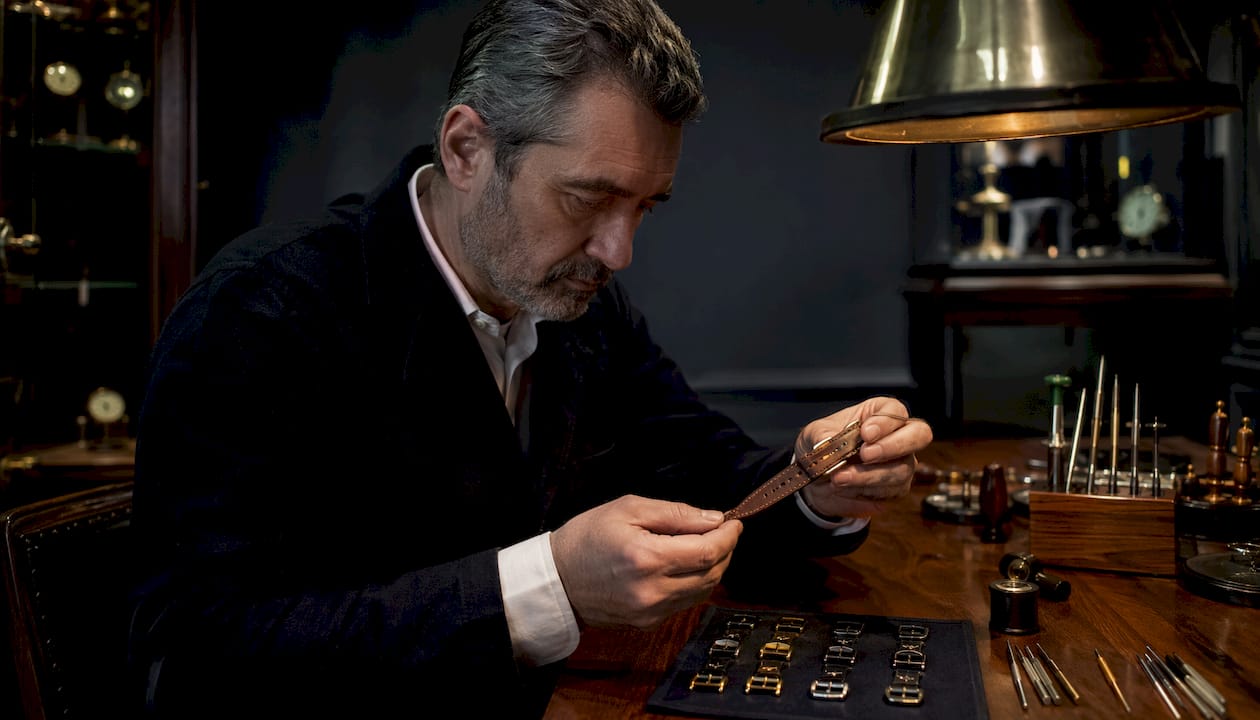
Routine care extends buckle life considerably. A quick wipe with a damp cloth after sweaty wear, followed by drying, prevents the salt and grime build-up that accelerates corrosion. Check the spring bar seating every few months by tugging the buckle gently; any play warrants immediate attention. For broader guidance on routine watch servicing, the interval recommendations apply to buckles and clasps as much as to movements.
Professional help is advisable when:
- The buckle frame is cracked or bent beyond reshaping
- A gold-plated or precious metal buckle has worn through to base metal
- The locking mechanism on a deployment clasp no longer engages reliably
- The piece is a vintage or luxury watch where maintaining originality affects resale value
For worn luxury buckles, electroplating restores the original gold finish without damaging the underlying metal. The process strips the old plating, applies a nickel base coat, then deposits fresh gold using an electrical current, leaving the buckle indistinguishable from new. Abrasive home methods cannot replicate this and will remove hallmarks and fine edges permanently.
Maintaining original branded buckles through professional refurbishment, rather than swapping them for generic replacements, helps preserve a luxury watch’s market value. Expert watchmakers advise that even minor stiffness or looseness in a buckle often precedes full failure, and early intervention is always less costly than recovering from a lost watch.
For metal bracelet maintenance between professional visits, gentle ultrasonic cleaning and link-by-link inspection keep clasps and buckles in working order.
How to match a replacement buckle to your strap and style
Getting the size right is non-negotiable. Measure the strap width at the buckle end in millimetres; the replacement buckle must match that figure exactly. A buckle even 1mm too wide will sit loose and look wrong.
Beyond size, consider these points:
- Metal finish: Match the buckle finish to the watch case. A yellow gold case with a brushed steel buckle looks mismatched and can affect resale perception
- Profile height: Thick buckles sit proud of the wrist and can feel bulky under a cuff. Low-profile buckles suit dress watches and formal wear
- Branded versus generic: For luxury watches, an original branded buckle preserved through professional restoration holds more value than a generic replacement of similar quality
- Strap material compatibility: Heavy leather straps need a buckle with a sturdy frame; thin NATO or fabric straps work with lighter, narrower hardware
- Tongue length: A tongue that is too short will not reach the strap holes comfortably; too long and it protrudes awkwardly past the keeper loop
For pre-owned watches where the original buckle is missing, restoring the watch’s appearance with a period-correct replacement buckle is far preferable to fitting whatever is available. Period-correct hardware preserves the watch’s character and, for collectable pieces, its desirability.
Watchrepairstation: professional buckle and strap repair for trade partners
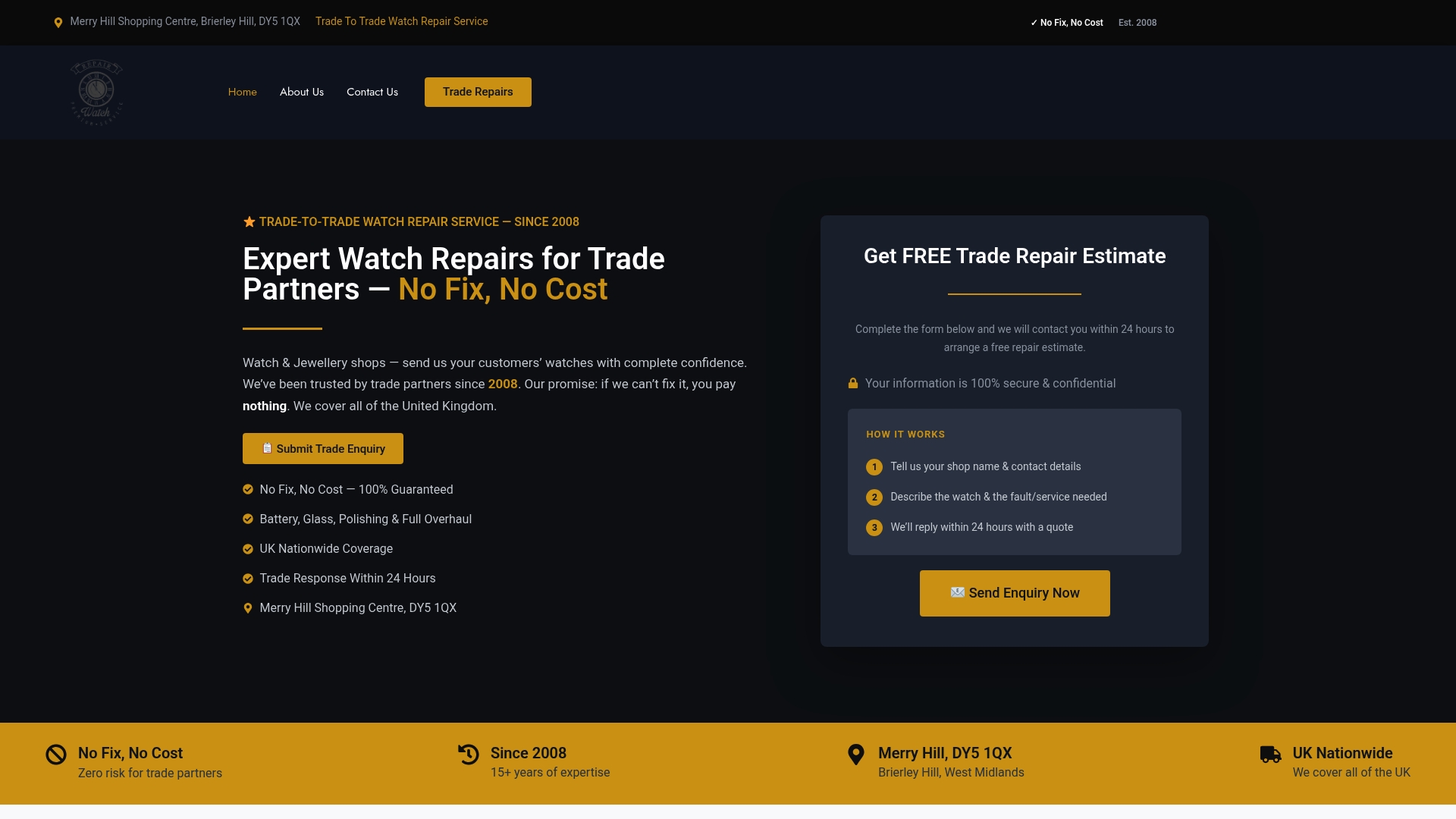
When a buckle repair goes beyond a spring bar swap, or when the watch in question is a luxury piece where getting it wrong costs real money, Watchrepairstation is the trade partner that absorbs the risk. Established in 2008 and working exclusively with watch and jewellery shops across the UK, Watchrepairstation handles everything from buckle refurbishment and strap replacement to full movement overhauls, with expert technicians on every job. The “No Fix, No Cost” guarantee means partnering shops carry zero financial exposure on jobs that cannot be completed. Fast turnaround times and competitive trade pricing let shops retain customers who would otherwise face long waits elsewhere. If your shop regularly encounters buckle repairs that sit outside straightforward DIY territory, get in touch with Watchrepairstation to discuss a trade account.
Key takeaways
Watch buckle repair ranges from a simple spring bar swap at home to professional electroplating for luxury pieces, and matching the replacement buckle to the strap width and metal finish is the single most important step in any repair.
| Point | Details |
|---|---|
| Repair scope | Buckle repair covers cleaning, spring bar replacement, full buckle swap, or professional electroplating depending on damage severity. |
| Spring bar risk | Spring bars are small and can shoot free during removal; work over a tray and keep spare bars sorted by size. |
| Buckles vs clasps | Tang buckles are simple DIY repairs; deployment clasps need specialised tools and often professional adjustment. |
| Polishing caution | Aggressive home polishing removes plating and rounds off edges on luxury buckles, reducing both appearance and value. |
| Watchrepairstation | Trade partners across the UK use Watchrepairstation for professional buckle and strap repairs, backed by a No Fix, No Cost guarantee since 2008. |

Leave a Reply